


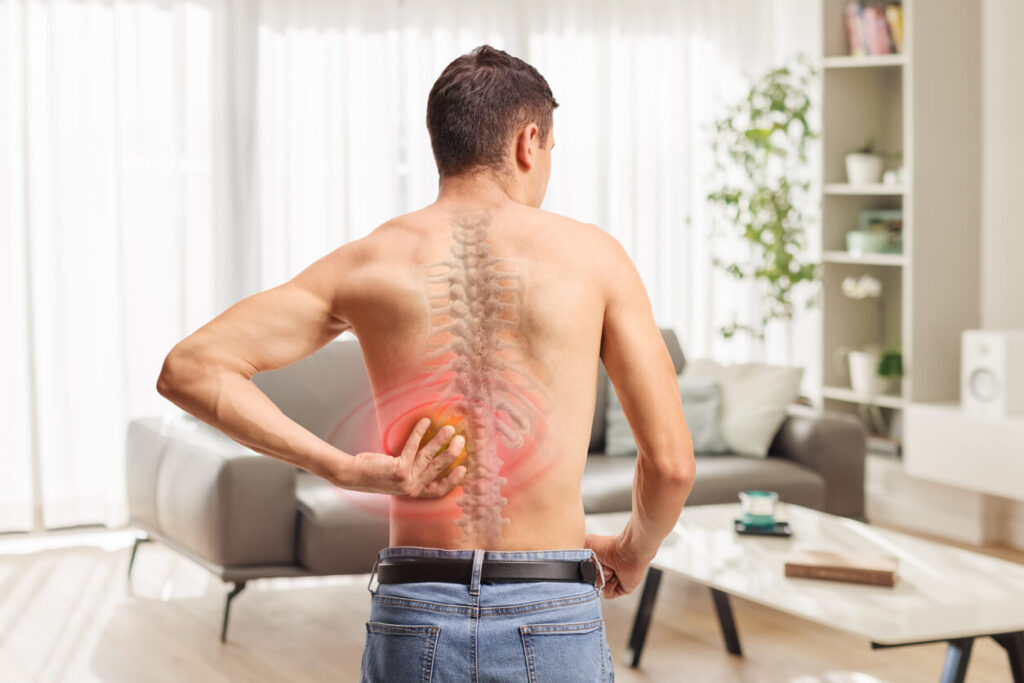
Lower back and hip pain can make everyday movements like standing, walking, or even rolling over in bed feel frustrating and exhausting. When that pain settles on one side, the sacroiliac (SI) joint is often the hidden culprit.
In short,
- Left SI joint dysfunction causes localized lower back, hip, and pelvic pain.
- Uneven walking, injuries, pregnancy, and trauma often trigger joint instability.
- Non-surgical treatments like joint mobilization and targeted exercises help restore pelvic alignment.
Left-sided sacroiliac (SI) joint dysfunction is a frequent source of lower back, pelvis, and gluteal discomfort. Your sacroiliac joints connect the spine to the pelvis, acting as shock absorbers between the sacrum and the iliac bones. When these joints move abnormally or become inflamed, they generate significant pain on that side of the body.
Many patients seeking left-side back pain treatment in Middletown, DE are surprised to learn their discomfort originates from this pelvic joint rather than the lumbar spine. Because SI joint pain mimics other back conditions, it often goes misdiagnosed for months.
At Delaware Back Pain & Sports Rehabilitation Centers, our physiatrists and chiropractors evaluate these interconnected structures together. This whole-body view allows us to restore normal mechanics and relieve soft tissue irritation without invasive procedures.
Understanding the Sacroiliac Joint
To understand the pain, it helps to understand the joint. You have two SI joints, one on each side of your lower spine, where the triangular sacrum meets the iliac bones of the pelvis.
Unlike the highly mobile joints in your knees or shoulders, the SI joints move very little. Their job is stability, not motion. Strong ligaments and surrounding muscles hold them firmly in place while they transfer weight and force between your upper body and legs.
When the left SI joint moves too much (hypermobility) or too little (hypomobility), the balance breaks down. Even small changes in alignment can irritate the surrounding nerves and tissues, producing the deep, aching pain that defines this condition.
According to the Mayo Clinic, in some cases, this irritation can extend beyond the lower back, affecting the legs, groin, and even the feet.
Causes and Risk Factors
The SI joint relies on strong ligaments and muscles for stability. When this balance is disrupted, pain and mobility issues follow. Understanding the root cause is the first step toward targeted, effective treatment.
Biomechanical Stress and Gait
Disrupted walking patterns place uneven pressure on the pelvic girdle. Limb length discrepancies, even minor ones, create chronic, uneven stress on the left SI joint. Over time, this repetitive load causes localized inflammation and strain.
Several everyday factors quietly contribute to biomechanical stress:
- Previous lower extremity injuries that alter your natural gait and force the pelvis to compensate.
- Prolonged asymmetrical sitting, such as leaning to one side or sitting on a wallet, which overloads one side of the pelvis.
- Repetitive one-sided activities in sports or physical jobs that strain supporting ligaments.
- Weak core and gluteal muscles, which leave the joint without adequate support.
Hormonal Changes
Hormonal fluctuations directly affect pelvic joint integrity. During pregnancy, the body produces relaxin, a hormone that loosens the pelvic ligaments to prepare for childbirth. This temporary laxity is natural, but it can allow the joints to shift out of alignment.
Postpartum, these changes can leave the left SI joint vulnerable to lingering instability. Connective tissue disorders, such as those affecting collagen, can also reduce structural joint support throughout the pelvis, increasing susceptibility to chronic laxity and recurring pain.
Trauma and Degeneration
Physical trauma and gradual wear contribute heavily to dysfunction. Sudden impacts, like motor vehicle accidents or a direct fall onto the left hip, can damage joint cartilage and cause micro-tears in the stabilizing ligaments.
Other common contributors include:
- Repetitive twisting or heavy lifting, which loads shear forces across the sacroiliac interface.
- Age-related osteoarthritis, which gradually wears away protective cartilage and leads to painful friction.
- Prior lumbar spinal fusion, which can place added stress on the SI joint over time.
Signs and Symptoms
According to the National Institutes of Health (NIH), SI joint dysfunction closely mimics other spinal conditions, which makes careful clinical differentiation essential. The pain typically radiates from deep within the pelvis rather than the surface of the back.
Pain Distribution
Patients often feel a localized ache directly over the left posterior superior iliac spine (PSIS), the bony bump on the lower left side of the back. This discomfort can travel into the left buttock, groin, and upper thigh. While the pain can resemble sciatica, it rarely extends below the knee and usually occurs without true neurological deficits.
Aggravating Movements
Certain movements reliably provoke SI joint pain because they force the joint to bear weight suddenly or unevenly. Watch for pain triggered by:
- Standing up after sitting for a while.
- Standing on one leg, such as when climbing stairs or getting dressed.
- Prolonged standing or sitting in one position.
- Rolling over in bed or turning during sleep.
Stiffness and Limitations
Inflammation prompts the surrounding muscles to tense protectively, a response known as muscle guarding. Many patients notice morning stiffness that eases with gentle movement, a hallmark of sacroiliitis. Sleeping on the affected left side often becomes uncomfortable, and you may find your walking stride shortens as the joint tries to protect itself.
Diagnostic Approaches
Identifying left-sided SI joint dysfunction requires a thorough physical evaluation combined with specific diagnostic maneuvers to rule out other spinal issues.
Physical Examination
Your provider begins by interviewing you to map your pain behavior—where it starts, where it travels, and what makes it worse. They also observe your gait and posture, then palpate the left posterior superior iliac spine to check for tenderness and swelling.
Orthopedic Testing
To confirm the SI joint as the source, providers use provocative tests that gently stress the joint and reproduce your symptoms. Common tests include:
- Patrick’s (FABER) test, which combines flexion, abduction, and external rotation of the hip.
- Direct compression, which applies pressure across the pelvis.
- Thigh Thrust test, which loads the joint through the femur.
When several of these tests reproduce your pain, the diagnosis becomes clearer.
Diagnostic Imaging and Injections
X-rays and MRIs help rule out fractures, disc herniations, or arthritis in nearby structures. In many cases, a guided local anesthetic injection offers the clearest answer: if the injection delivers immediate relief, it confirms the SI joint as the primary pain generator.
Left Side Back Pain Treatment in Middletown, DE
Managing pelvic joint pain requires two goals working together: reducing inflammation and stabilizing the pelvis. A comprehensive, non-surgical plan addresses both, helping you heal and stay pain-free.
Care Approaches
At Delaware Back Pain & Sports Rehabilitation Centers, our physiatrists and chiropractors combine their expertise for effective left-side back pain treatment in Middletown, DE.
- Chiropractic manipulation gently restores proper joint alignment and improves mobility, easing the restricted movement that drives pain.
- Manual therapy, including soft tissue mobilization and targeted stretching, releases tight muscles and reduces the guarding that keeps the joint irritated.
- Rehabilitation programs led by physiatrists blend hands-on care with progressive exercise to correct the biomechanical patterns that caused the problem in the first place.
- Patient education ensures you understand your condition and how to protect the joint during daily activities.
This coordinated approach treats the joint as part of a whole system, giving your body the best chance to heal fully.
Interventional Management
When conservative care needs reinforcement, targeted medical treatments can calm persistent inflammation. Your provider may recommend:
- Short-term NSAIDs or muscle relaxants to ease acute flare-ups and interrupt the pain-spasm cycle.
- Corticosteroid injections delivered directly into the joint for focused, longer-lasting relief.
- Platelet-rich plasma (PRP) therapy, which uses your body’s own healing factors to support tissue repair in cases of chronic irritation.
These interventions work best when paired with rehabilitation, not as standalone fixes.
Supportive Devices
The right support tools protect the joint while you rebuild strength and stability.
- SI joint belts wrap snugly around the pelvis to provide external compression, adding stability during activity and reducing painful movement.
- Ergonomic adjustments at your desk and in your car help prevent asymmetrical loading of the left pelvis.
- Supportive seating and cushions distribute weight evenly and discourage the leaning habits that overload one side.
- Proper footwear or orthotics can correct minor gait imbalances and limb length differences that stress the joint.
Prevention
Long-term relief depends on consistent self-care and healthy daily habits. Once your pain improves, these strategies help protect the joint and prevent flare-ups from returning.
Core and Pelvic Strengthening
A strong, balanced core acts as a natural stabilizer for your SI joints. Focus on gentle, controlled exercises such as:
- Bridging exercises to activate the gluteal muscles and hamstrings that support the pelvis.
- Planks and side planks to build deep core stability.
- Clamshells and hip abductor work to strengthen the muscles that keep the pelvis level.
- Low-impact cardio, like walking, swimming, or cycling, to maintain mobility without excessive force.
Always progress gradually and stop any movement that sharply increases pain.
Postural Awareness
Small daily habits add up to lasting protection. To maintain neutral pelvic alignment:
- Avoid crossing your legs while sitting, which twists the pelvis.
- Distribute your weight evenly across both feet when standing.
- Take breaks to move if you sit or stand for long periods.
- Bend at the knees and hips, not the waist, when lifting.
Everyday Lifestyle Adjustments
Beyond exercise and posture, a few lifestyle choices support long-term joint health. Maintaining a healthy weight reduces the load on your pelvis, while staying consistently active keeps the supporting muscles engaged. Managing stress and prioritizing quality sleep also help your body recover and keep muscle tension in check.
When to Seek Left Side Back Pain Treatment in Middletown, DE
If you are searching for effective left side back pain treatment in Middletown, DE, do not wait for symptoms to worsen. Consult a specialist if you notice any of the following:
- Progressive weakness: Numbness or weakness in your left leg needs prompt evaluation.
- Unrelenting pain: Pain that wakes you from sleep or does not improve with rest warrants a professional assessment.
- Persistent limitation: Ongoing stiffness or difficulty walking that interferes with daily life.
Frequently Asked Questions (FAQ)
Below, we address some common concerns and questions about our left-sided back pain treatment in Middletown, DE, to help you make informed decisions about your care.
What causes left-sided back pain?
Left-sided back pain can be caused by a variety of factors, including muscle strain, ligament sprain, poor posture, herniated discs, or conditions such as SI joint dysfunction. A thorough evaluation is necessary to identify the root cause and develop an effective treatment plan.
What treatments are available for left-sided back pain?
Options for left-sided back pain treatment in Middletown, DE may include physical therapy, chiropractic care, injections, medications, or lifestyle modifications.
At Delaware Back Pain & Sports Rehabilitation Centers, we create personalized care plans tailored to each patient’s needs for optimal results.
How long does it take to recover from SI joint dysfunction?
Recovery time varies depending on the severity of the condition and the chosen treatment approach. Many patients see significant improvement within weeks of starting a customized rehabilitation program.
Schedule Left Side Back Pain Treatment in Middletown, DE
You do not have to live with persistent lower back and hip pain. With an accurate diagnosis and a personalized, non-surgical plan, most patients with left-sided SI joint dysfunction return to comfortable, active living. The experienced physiatrists and chiropractors at Delaware Back Pain & Sports Rehabilitation Centers are here to pinpoint the source of your pain and guide you toward lasting relief.
Call us at (302) 529-8783 or use our online appointment request form to schedule your consultation for left-side back pain treatment in Middletown, DE.
SOURCES
Mayo Clinic
National Institutes of Health (NIH)