


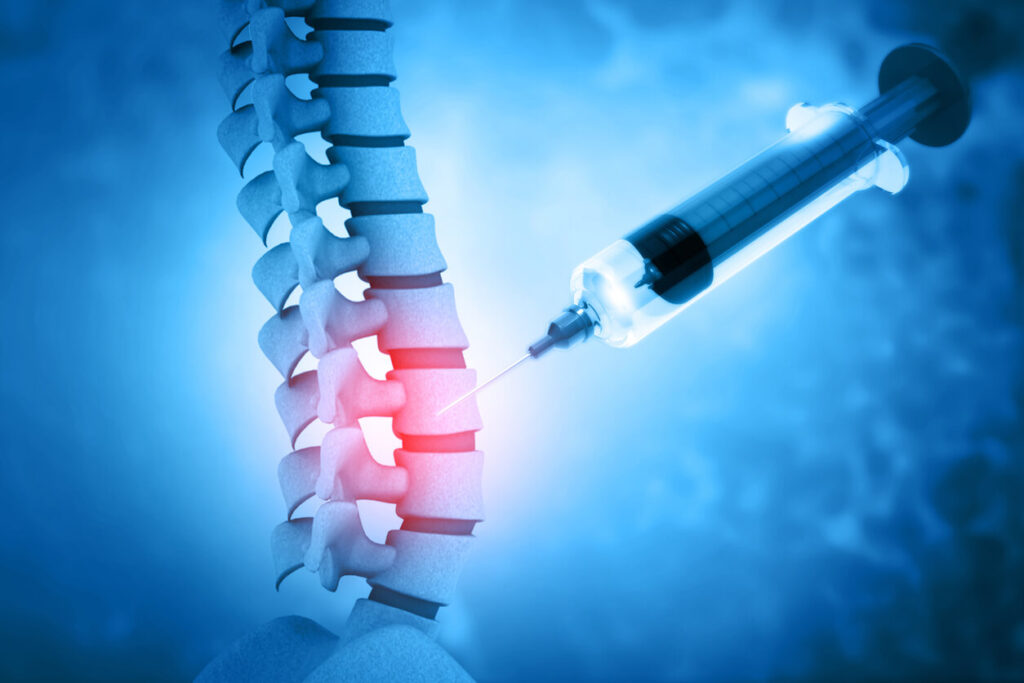
In short, epidural injections for sciatica are a widely used treatment aimed at providing relief from nerve pain caused by spinal issues.
- Epidural steroid injections reduce inflammation to relieve severe sciatica pain.
- Relief typically begins within two to seven days and can last from several weeks to a few months.
- This minimally invasive treatment helps patients comfortably transition into active physical therapy and chiropractic care.
Sharp, radiating leg pain can make even simple tasks feel impossible. If you have been searching for epidural treatment near you, you likely want two clear answers: how quickly relief arrives and how long it lasts.
This guide walks you through how epidural injections work for sciatica, what to expect during the procedure, and how the results fit into a broader recovery plan. By the end, you will understand the timeline, the benefits, and the next step toward lasting comfort.
Epidural Treatments for Sciatica
Finding effective epidural treatment near you can be a major turning point for managing chronic, radiating nerve pain. Sciatica occurs when the sciatic nerve becomes compressed or inflamed, often because of a herniated disc, causing pain that travels down the leg.
Epidural corticosteroid injections are a common option designed to calm this inflammation directly at the nerve root.
Our physiatrists and chiropractors recommend this approach when conservative therapies are not enough. This collaborative care model focuses on restoring function without immediately resorting to surgery.
What Is Sciatica and Nerve Compression?
Sciatica is pain that begins in the lower back and travels. According to the Mayo Clinic, it can occur almost anywhere along the nerve pathway, though it most commonly runs from the lower back through the buttock and into the back of the thigh and calf.
It is often triggered by a bulging or herniated disc pressing on the nerve roots, resulting in sharp pain, numbness, and tingling.
For many people, the discomfort feels worse when sitting, standing for long periods, or bending.
The Role of Epidural Injections in Pain Management
Epidural injections deliver anti-inflammatory medication directly into the epidural space surrounding the spinal cord. Physiatrists use this method to break the inflammation cycle and give your body room to heal.
In many cases, the injection serves as a bridge therapy, easing pain enough for you to fully engage in physical rehabilitation.
Who Is an Ideal Candidate?
You may be a strong candidate for an epidural injection if you experience radiating leg pain that does not respond to rest or oral medication. This treatment often benefits people with:
- Lumbar radiculopathy, where a pinched nerve causes pain along its path.
- Herniated or bulging discs pressing on nearby nerve roots.
- Spinal stenosis, a narrowing of the spinal canal that crowds the nerves.
- Degenerative disc disease that leads to chronic inflammation.
Patients who want to avoid or delay invasive surgery also explore this option. A thorough evaluation helps confirm whether it fits your specific condition.
How Epidural Treatment Near You Works
Understanding the science behind an epidural treatment helps you feel confident going in. The primary goal is to target the exact spot where the nerve root is irritated, using a corticosteroid combined with an anesthetic.
The Science of Inflammation and Pain
Nerve compression causes localized swelling within the spinal canal. Corticosteroids calm the immune system’s inflammatory response, which relieves mechanical pressure on sensitive nerve fibers. As the swelling decreases, the sharp, radiating pain often eases as well.
Components of the Injection Solution
The injection combines two key medications that work together:
- A fast-acting local anesthetic provides immediate numbing relief and helps confirm the treated area is the true source of pain.
- A long-acting corticosteroid delivers sustained reduction in inflammation over the following days and weeks.
This pairing gives you both quick, short-term comfort and longer-lasting relief.
Why Targeting the Epidural Space Matters
The epidural space sits just outside the protective membrane surrounding the spinal cord. Delivering medication directly here places the therapeutic agents right next to the irritated nerve roots.
This precise approach maximizes relief where you need it most while minimizing systemic side effects throughout the body.
The Treatment Process: What to Expect
Knowing what happens during an epidural treatment can ease your nerves. The procedure takes place in an outpatient setting and is performed by trained medical specialists.
Pre-Procedure Evaluation
Your care team reviews your medical history, imaging studies, and current medications. You will receive specific instructions about fasting or temporarily adjusting blood thinners before your appointment. This is also a good time to ask any remaining questions.
Step-by-Step During the Procedure
- Positioning: You lie face down on a specialized table.
- Preparation: Your provider sterilizes the lower back and applies a local anesthetic to numb the skin.
- Guided Placement: Using real-time X-ray guidance, the physician precisely directs the needle into the epidural space.
- Medication Delivery: The medication is slowly injected, which may produce a brief sensation of pressure.
- Completion: The physician removes the needle and applies a small bandage.
The entire process is usually quick, and most patients tolerate it well.
Immediate Post-Procedure Care
You will move to a recovery area for monitoring. Temporary numbness in the legs is common and fades as the anesthetic wears off. Because of this, a designated driver must take you home safely.
Benefits and Effectiveness
Evaluating potential outcomes helps you set realistic expectations. While results vary from person to person, many patients experience meaningful relief that improves their quality of life.
How Fast Do Epidural Injections Work?
According to the Cleveland Clinic, epidural steroid injections typically start working within two to seven days, with pain relief lasting anywhere from several days to a few months or longer.
The anesthetic component may provide quick, short-term relief within hours, while the corticosteroid works gradually to reduce inflammation. If you do not notice immediate improvement, this is completely normal. Steroids build their effect over time.
How Long Does Relief Last?
Pain relief can last anywhere from several weeks to a few months. The exact duration depends on the underlying cause of your sciatica, the severity of the inflammation, and how well you support recovery afterward. Some patients benefit from a series of injections, spaced appropriately, to maintain relief over time.
Functional Improvements
Reduced pain opens the door to real progress. With less discomfort, you can:
- Return to daily activities and work with greater ease.
- Sleep more comfortably and move without constant flare-ups.
- Participate fully in physical therapy and core-strengthening exercises.
This window of relief is your opportunity to build strength and stability that protect your spine for the long term.
Risks, Side Effects, and Considerations
Epidural treatment near you is generally safe, but they carry potential risks and limitations worth understanding.
Common and Temporary Side Effects
Most side effects are mild and short-lived. You may notice:
- Soreness at the injection site for a day or two.
- Temporary facial flushing or a warm sensation.
- Mild insomnia in the day or so after the injection.
- A slight increase in blood sugar, which matters most if you have diabetes.
These effects typically resolve on their own.
Treatment Limitations
It helps to view epidural injections as one tool within a larger plan. They reduce inflammation rather than cure structural problems like a herniated disc.
Effectiveness varies from patient to patient, and physicians limit the total number of injections you can receive within a year to protect your long-term health. For lasting results, injections work best alongside rehabilitation.
Recovery and Aftercare
Thoughtful aftercare supports your treatment success and helps prevent complications.
Immediate Post-Injection Guidelines
For the rest of the day, rest quietly and avoid strenuous activity. Applying a cold pack to your lower back for about 15 minutes can help minimize soreness. Listen to your body and give it time to settle.
Resuming Daily Activities
Most patients return to light routines by the following day. Ease back in gradually:
- Start with gentle walking to promote healthy blood flow and reduce stiffness.
- Avoid heavy lifting or high-impact movement until your provider clears you.
- Pay attention to any activity that sharply worsens your pain, and modify it.
Integrating Rehabilitation Therapies
The real long-term value comes from what you do during your window of relief. Physical therapy and chiropractic care strengthen the muscles that support your lower back, improve flexibility, and correct movement patterns.
Together, these therapies help prevent future episodes of sciatica and reduce your reliance on repeat injections.
Frequently Asked Questions (FAQ)
Below, we address some of the most common questions patients have about our epidural treatments to provide you with the information you need.
How does epidural treatment near me work?
During the procedure, a specially trained physician uses imaging guidance, such as fluoroscopy, to precisely deliver the medication to the affected area.
The injection typically includes a combination of corticosteroids and a local anesthetic, which work together to decrease nerve inflammation and numb the pain.
How long does it take to feel relief?
Most patients begin to experience relief within a few days after the procedure, though this may vary depending on the severity of the condition.
Maximum benefits are often noticeable within one to two weeks. Your physician will discuss what to expect based on your specific situation.
How long does the relief last?
The duration of relief can vary widely. Some patients experience weeks or months of reduced pain, while others may require additional treatments. Your care plan will be personalized to ensure the best possible outcomes for your condition.
Who is a good candidate for epidural treatment near me?
This treatment is especially beneficial for individuals with moderate to severe sciatica pain that has not responded to conservative methods like physical therapy or oral medications. A thorough evaluation of your medical history, symptoms, and imaging results will determine if this procedure is right for you.
Schedule Epidural Treatment in Delaware
Sciatica pain does not have to control your days. An epidural injection can calm the inflammation behind your radiating pain and create the comfort you need to rebuild strength through rehabilitation.
When you understand how quickly relief begins and how long it lasts, you can plan your recovery with confidence.
If you have been searching for epidural treatment near you, the experienced team at Delaware Back Pain & Sports Rehabilitation Centers is ready to help.
Call us at our location near you or use our online appointment request form to schedule your consultation and start your path toward lasting relief.